Navigating Roof Replacement: Critical Steps to Support Informed Decisions for Your Home
Managing roof replacement involves careful consideration at every stage. Homeowners must first acknowledge when their current roof is no longer suitable. Next, picking the right materials and budgeting properly are critical steps. Choosing a qualified contractor can substantially impact the outcome. Understanding each phase of the process provides a smoother experience. Yet, many still find themselves challenged by the choices ahead. What comes next in this crucial journey?
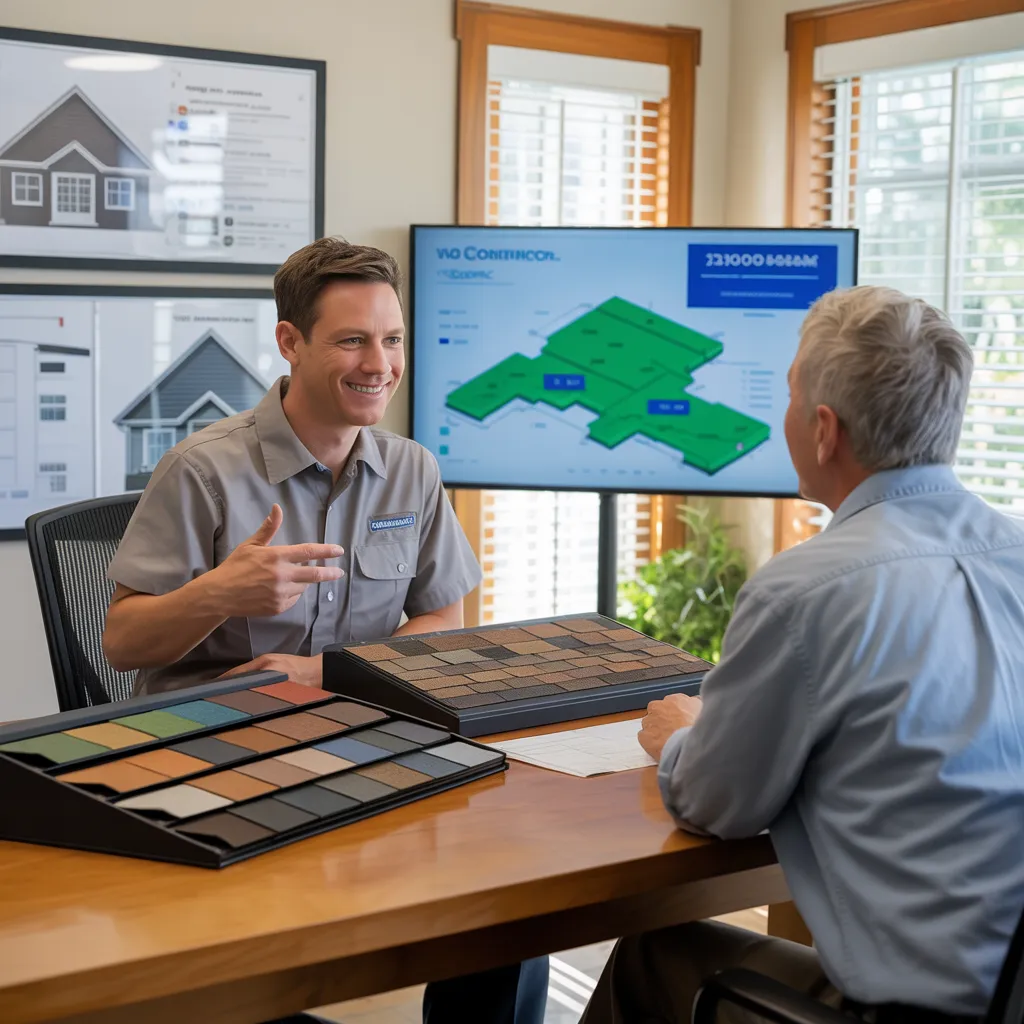
How to Recognize When You Need a New Roof?
How can a homeowner determine if it's time for a new roof? A number of important signs can help with this determination. First, visible signs of wear, such as curling, missing, or cracked shingles, often suggest deterioration. Homeowners should also inspect for granules accumulating in gutters, which can indicate shingle breakdown. Additionally, dark streaks or mold on the roof surface may signal underlying moisture issues. Indoors, water spots on ceilings or walls can uncover leaks, demanding urgent attention. Another crucial consideration is roof age; the majority of asphalt roofs endure approximately 20 years, and approaching this timeframe might justify replacement. Finally, a professional inspection can provide a thorough assessment, helping homeowners make informed decisions regarding their roofing needs. Understanding these signs guarantees that homeowners can protect their investment and maintain the overall integrity of their property.
Which Type of Roofing Materials Are Suitable for Your Needs?
Choosing the right roofing materials can significantly impact a home's lifespan and aesthetic appeal. Homeowners must consider various factors, including climate, architectural style, and budget. Asphalt shingles are popular for their affordability and ease of installation, making them appropriate for many homes. Metal roofing, known for its durability and energy efficiency, is another choice, particularly in areas prone to severe weather. For those seeking a more natural look, wood shakes deliver a rustic charm but require regular maintenance. Slate and tile, while more expensive, deliver exceptional resilience and can enhance a home's value. Furthermore, eco-friendly materials, such as recycled shingles or green roofs, appeal to environmentally conscious homeowners. Ultimately, selecting the right material involves weighing these factors against personal preferences and specific regional considerations, ensuring a roof that meets both functional and aesthetic needs for years to come.
Effective Budgeting Strategies for Your Roof Replacement
Creating an effective budget for a roof replacement requires careful planning and attention to numerous costs. Homeowners should initiate by examining the total condition of their current roofing roof and estimating the necessary materials and labor involved in the replacement. It can be helpful to research different roofing materials, as costs can change substantially depending on material quality and design.
Additionally, homeowners should account for potential permits, inspections, and disposal fees for the old roofing materials. Reserving a contingency fund for unanticipated expenses can help prevent financial strain during the renovation.
To set up a clear budget, securing multiple estimates from several suppliers and contractors can deliver a more comprehensive perspective on pricing. Additionally, reviewing warranties and long-term maintenance costs of various roofing options can aid in making an informed decision that aligns with both budget and future needs.
Searching for the Best Contractor for Your Roof Replacement?
What elements should property owners evaluate when choosing a contractor for their roofing replacement? First, they should prioritize experience and reputation. Homeowners benefit from contractors who have a proven track record and positive reviews from previous clients. Confirming correct licensing and insurance is vital, as it shields against potential legal issues. Furthermore, getting several quotes helps ensure fair pricing and clarity concerning expenses.
Homeowners must also question the materials the roofing professional employs, as quality can greatly impact the roof's longevity. Communication is vital; a professional contractor should be responsive and willing to answer inquiries. Finally, considering offered warranties can provide peace of mind, reflecting the contractor's confidence in their work. By carefully evaluating these factors, homeowners can make educated decisions and select a reputable contractor for their roof replacement project.
Your Roof Replacement Process: A Step-by-Step Guide
A well-executed roof replacement procedure includes several essential steps that homeowners should follow. First, they should conduct a detailed inspection of the present roof to determine its condition and establish the need for replacement. Next, homeowners should research and identify a experienced contractor who specializes in roofing installations. Securing multiple quotes will enable them assess costs and services.
After selecting a contractor, the homeowner should formalize valuable resource the agreement, verifying that all details are clearly specified. The next step is to get the house ready for the replacement, which may involve moving furniture and covering outdoor plants. During the actual replacement, clear communication between the homeowner and contractor is essential.
Following the new roof is set up, a complete inspection ought to be completed to verify quality and compliance with safety standards. Afterward, homeowners must understand preservation methods to extend the durability of their new roof.
Common Questions
How Long Will a Roof Replacement Take?
A roof replacement typically takes between 1-3 days, depending on variables such as the roof's size, roofing materials employed, weather conditions, and the experience of the crew performing the work.
Is It Possible to Remain in My Home During Roof Replacement?
Yes, homeowners can typically stay in their homes during roof replacement. However, noise, debris, and potential safety hazards may make it uncomfortable. We recommend discussing particular conditions and safety protocols with your contractors.
What Warranties Are Available for New Roofs?
Several warranties for new roofs include manufacturer warranties, which cover the materials used, and workmanship warranties, given by contractors. Duration and coverage vary, often spanning from 10-50 years, depending on the roofing material and the installer.
Are Financing Plans Offered for Roof Replacement?
Yes, various financing options exist for roof replacement, including personal loans, home equity lines of credit, and specialized contractor financing plans. Property owners should investigate and evaluate terms to identify the most suitable option for their financial circumstances.
What Are Effective Ways to Maintain My New Roof?
To effectively maintain a new roof successfully, one should regularly inspect for debris, maintain proper drainage, clean gutters, inspect for leaks, and schedule professional inspections to tackle potential issues before they escalate, preserving the roof's longevity.